Carpenter Bees
Carpenter bees bore round holes into untreated wood to create brood galleries.
Background & Behavior
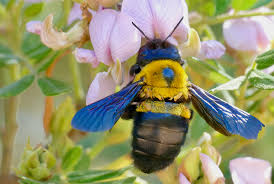
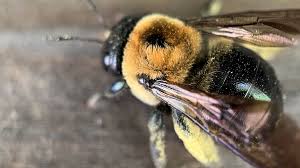
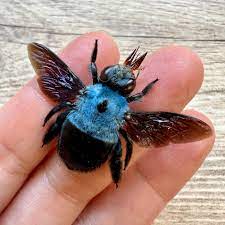
(Xylocopa spp.) Also known as wood-boring bees, carpenter bees resemble bumblebees but have shiny, hairless abdomens. Females drill round holes into exposed wood to lay eggs. While they rarely sting, repeated nesting can damage decks, eaves, and outdoor furniture. Their presence often attracts woodpeckers that compound the damage.
DIY Approaches
- Paint or seal exposed wood surfaces to discourage boring.
- Plug old carpenter bee holes with dowels and exterior wood filler.
- Install decoy wooden blocks away from structures to lure new nesting.
- Hang paper bag decoys to mimic wasp nests and deter bee activity.
- Spray citrus oil solutions on fascia boards to repel returning bees.
Professional Services
- Hire pest specialists to inject residual dust directly into gallery holes.
- Schedule exterior power washing and sealing to protect vulnerable lumber.
- Request ladder work from insured professionals to treat high soffits safely.
- Coordinate follow-up inspections during peak spring nesting season.
- Engage carpenters to replace badly damaged boards and fascia trim.
Photo Gallery